One of the strange features of high-conflict family law cases is that the very personality traits that make these cases miserable to litigate are often the same traits that destroy the high-conflict party on the witness stand.
If you understand how these personalities work, you can anticipate their courtroom behavior with surprising accuracy. And if your attorney understands it, the cross-examination of your high-conflict ex can become one of the most productive moments in the entire case.
This article is intended for parents who are heading into contested litigation with a high-conflict ex, and the attorneys advising them. It's not a how-to for self-representing — please don't try this without competent counsel — but understanding the principles will help you brief your lawyer and set realistic expectations for what's possible.
This article is general legal education, not legal advice. Trial strategy depends entirely on jurisdiction, judge, facts, and counsel. Work with an experienced family law attorney.
Why HCPs are dangerous witnesses (for themselves)
High-conflict personalities have several traits that work against them in a courtroom setting:
They cannot tolerate being challenged
Cross-examination is, by design, a process of challenging a witness's narrative. For most witnesses, this is uncomfortable but tolerable. For HCPs, being challenged in front of an audience activates the deepest part of the personality structure — the part that experiences contradiction as existential threat.
A skilled cross-examiner can ask questions that, on their face, are quite mild — and watch the witness escalate, become combative, lecture the lawyer, lecture the judge, and ultimately reveal the personality structure that drove the conflict in the first place.
They cannot resist explaining
Most witnesses, when asked a yes-or-no question, answer yes or no. HCPs cannot. They have to explain. They have to provide context. They have to defend themselves preemptively. They have to make sure the court understands the real story.
This is gold for cross-examination, because every unsolicited explanation is more material — material that may contradict prior statements, may reveal facts the witness shouldn't have wanted to reveal, or may simply demonstrate the witness's inability to follow basic instructions.
They reflexively blame
Asked about any difficulty, problem, or failure, an HCP reflexively shifts blame to others — the other parent, the children's teachers, the doctors, the courts, the lawyers. The pattern is so consistent that an attorney who knows what they're doing can elicit it on demand. Watching a witness blame everyone in the world for problems in their family does not help that witness with the judge.
They contradict themselves
Because HCPs construct their narrative as needed in the moment — adapting to whatever they think will help in this exchange — they often contradict things they said earlier in the same testimony, things they said in deposition, things they said in written communications, or things they said to professionals who evaluated them.
A cross-examiner with the contradictory statements lined up can use them devastatingly.
They cannot maintain composure under sustained pressure
This is the big one. HCPs may present beautifully in the first ten minutes of testimony — confident, articulate, sympathetic. But sustained, methodical questioning erodes the composure. The mask slips. The contempt, the rage, the disregard for accuracy starts to leak through.
Many family law judges have seen this pattern many times. They know what they're watching when they watch it. The witness who starts polished and ends combative tells a story without the cross-examiner having to spell it out.
The strategic principles
Effective cross-examination of an HCP follows a few principles:
Lock down the narrative early
Before challenging anything, get the witness to commit to their version. Use leading questions to establish their position clearly: "Your testimony is that you have always made the children available for FaceTime calls during my client's parenting time, correct?" Get the unambiguous answer.
Now they're locked in. When the documentary evidence shows otherwise, the contradiction is on them.
Use their own writings against them
HCPs produce enormous amounts of written communication, usually unfiltered. Texts, emails, social media posts, messages on coparenting apps. Most of it is gold for cross-examination, because it shows the witness's actual voice — the unfiltered version, before they were on stage in a courtroom trying to look reasonable.
"Mr. Smith, you testified that you have always treated my client with respect. I'd like to direct your attention to Exhibit 14. Could you please read for the court the message you sent on March 7th at 11:47 PM?"
Whatever they say next is going to make things worse.
Ask short, simple, leading questions
The cardinal rule of cross-examination — never ask a question whose answer you don't already know — is doubly important with HCPs. Open-ended questions give them room to perform. Leading yes-or-no questions force them to either agree (helpful) or disagree (and watch them dig in).
"You sent this message, correct?" "On March 7th, correct?" "At 11:47 PM, correct?" "And the message says exactly what we've put in evidence, correct?" Each answer is yes. The witness has now confirmed authenticity, timing, and content. They cannot later claim the message was misinterpreted, taken out of context, or fabricated.
Do not engage when they try to lecture
HCPs will try to take over the cross-examination. They'll launch into long explanations. They'll argue with the question. They'll appeal directly to the judge. The disciplined cross-examiner doesn't engage. They cut off the speech, restate the question, and demand the answer.
"That's not my question. My question is: did you or did you not send that message?"
Watching a witness fight with the cross-examiner over the witness's own behavior makes the witness look exactly like what they are — controlling, defensive, unable to follow basic rules.
Use their pattern against itself
If the witness is the type who will lecture given any opening, sometimes giving them an opening is the move. A single open-ended question — "Tell me about your relationship with your daughter" — followed by sustained silence can produce three or four minutes of self-incriminating testimony.
Used judiciously and at the right moment, this technique lets the witness destroy themselves better than any series of pointed questions could.
What you can do to prepare
Even though you're not the one cross-examining, your work matters enormously to whether the cross-examination is effective.
Provide your attorney with comprehensive documentation
Every text, email, and message exchange. Every voicemail. Every documented incident. The more material your attorney has, the more they can construct the trap. (See the documentation field guide for the systematic approach.)
Identify the contradictions you've witnessed
You've lived with this person. You know the patterns. You've heard them say one thing and do another, deny things they did, claim things that didn't happen. Make a list of the most documented contradictions and walk your attorney through them.
Help identify the witnesses they can't impeach
Teachers, pediatricians, therapists, family friends — the third parties who have observed both of you and can speak to the actual dynamics. These witnesses are particularly powerful in high-conflict cases because they're not invested in either side's narrative.
Prepare for them to call witnesses too
HCPs often line up their own witnesses — family members, new partners, friends who only know one side. Anticipate this. Help your attorney prepare for those witnesses' likely testimony and how to handle them.
Stay composed, period
The single biggest gift you can give your attorney is not being a problem witness yourself. Maintain composure on the stand and in the courtroom. Never roll your eyes at testimony. Never react visibly to lies. Never argue from the table. Take notes calmly. Look at the witness without expression. Your composure becomes its own evidence — particularly when contrasted with the high-conflict party's behavior.
What to expect from the witness
Knowing what's likely to happen helps you stay grounded while it does. In a long cross-examination of an HCP, expect to see (in roughly this order):
- Polished opening. Calm, articulate, sympathetic. May last 20-30 minutes.
- First signs of strain. Repeated explanations beyond what's asked. Slight irritation when interrupted.
- Increasing combativeness. Arguing with the cross-examiner. Refusing to answer yes or no. Demanding to "tell the whole story."
- Direct appeals to the judge. "Your Honor, may I please explain?" The judge usually denies these. Each denial confirms the witness isn't following the rules.
- The personality leak. Contempt for the cross-examiner. Sneering at evidence. Visible anger. Inappropriate emotional displays.
- The reframe attempt. When confronted with damning evidence, the witness pivots to a new explanation — often one that contradicts their earlier testimony.
- The "I don't recall." When trapped, sudden inability to remember anything.
Not every cross-examination produces every stage. But experienced family law attorneys see versions of this sequence often enough to predict it.
An important caveat
This all sounds clean and predictable when written out. In real courtrooms, with real judges, with real opposing counsel objecting, things go differently. Some HCPs are unusually disciplined and don't crack. Some judges don't notice or don't care. Some opposing attorneys are skilled enough to keep their client on track.
Cross-examination is not magic. It's a tool, and a powerful one when wielded well, but it's not a guarantee of any particular outcome. The strongest cases combine effective cross-examination with strong documentary evidence, credible third-party witnesses, and a coherent overall theory.
What you can count on is this: the high-conflict personality structure that has been so destructive in your private life is also a liability for that person in court, when the right person is asking the right questions in the right way.
That's not justice in any deep sense. The damage they did doesn't get undone by their courtroom collapse. But it does mean that, with patience and the right legal team, you have real cards to play in proceedings that often feel rigged against the parent who is trying to behave reasonably.
Use those cards. Pick the right attorney. Prepare exhaustively. Stay composed. Let them be themselves on the stand.
That's often all it takes.
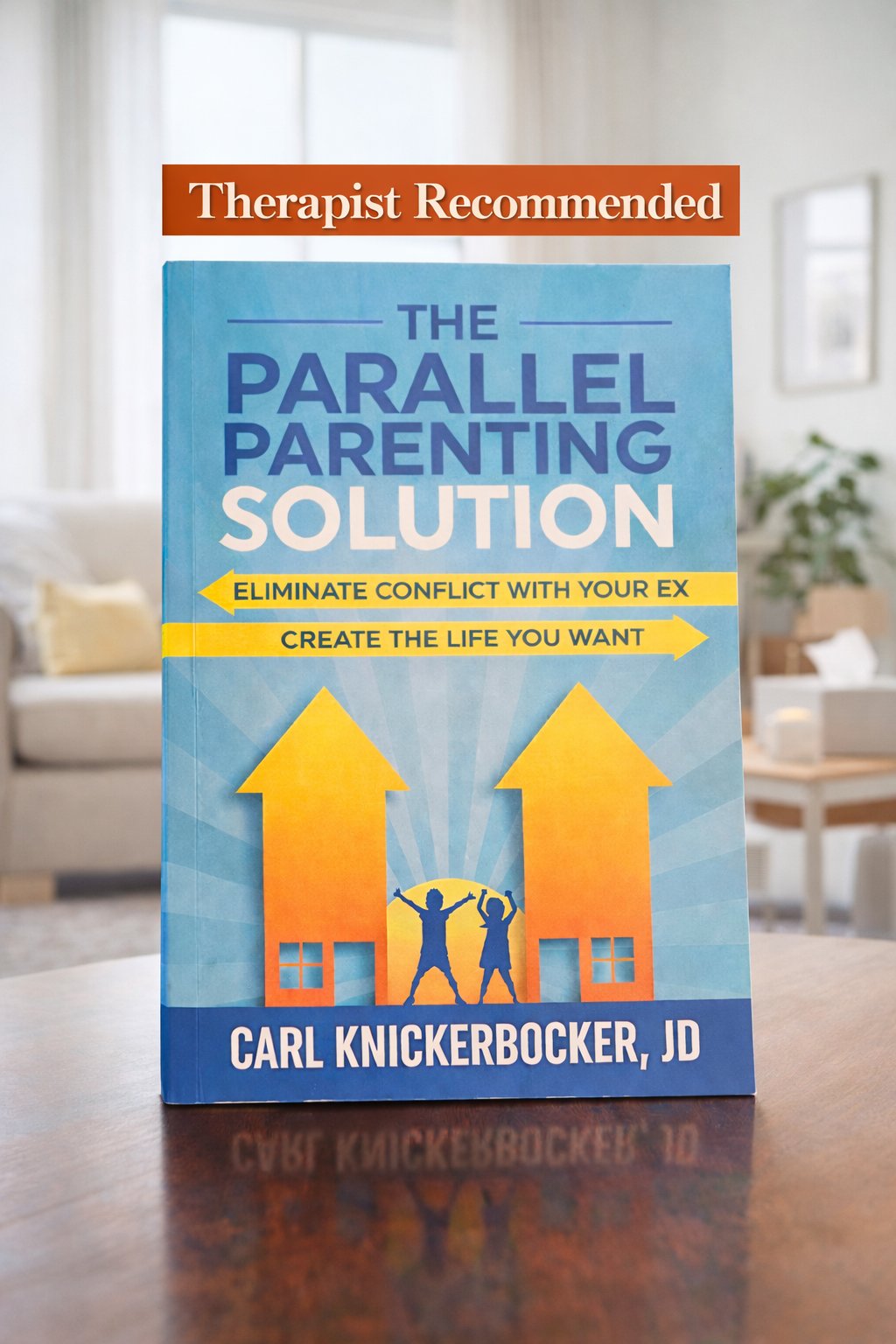
The complete courtroom playbook.
This article is adapted from Chapter 4 of Family Court Solutions, which contains the full strategic framework for litigating against high-conflict opponents — from preparation through cross-examination through closing arguments.
Get the Book