Articles, references, and recommended tools — for parents, attorneys, therapists, and anyone trying to make sense of high-conflict coparenting.
Most parents land in the wrong model by default. A diagnostic for figuring out which framework actually fits your situation — and why the difference matters.
Narcissism, borderline, antisocial, histrionic — and the subclinical traits that affect coparenting even without a formal diagnosis. What to watch for.
The instinct to explain, defend, and justify every decision is exactly what high-conflict exes use against you. How to break the habit.
Almost every message contains bait. The discipline of ignoring everything but the essential — and how to know the difference.
The records that matter, the records that don't, and the difference between a useful paper trail and a self-defeating one.
Behaviors and patterns most parents miss until it's too late — and what to do the moment you notice them.
The trendy advice says homes should be identical. The reality is that kids are remarkably adaptable — and learn more from witnessing different choices.
The clauses high-conflict cases need — and the vague language that turns court orders into negotiation invitations.
Why HCPs often beat themselves on the stand — and how to set up the questions that let them do it.
Everything you give your attention to grows. Why a clear personal vision is the most underrated antidote to a high-conflict ex.
Why standard coparenting advice can be dangerous for DV survivors, and what protective parallel parenting looks like in practice.
Drug testing protocols, supervised exchanges, and the language to put in your order before you need it.
More articles published regularly. Check back soon.
A short, opinionated list of tools that come up again and again in high-conflict coparenting cases.
Platforms like OurFamilyWizard, TalkingParents, and AppClose create court-admissible records of every message. Often court-ordered in high-conflict cases — and worth using even when they aren't.
A dedicated journal, a date-stamped folder system, or a simple spreadsheet. Whatever you choose, the rule is the same: contemporaneous notes are evidence; reconstructed memory is not.
Look for therapists experienced specifically with narcissistic abuse, high-conflict divorce, or DV recovery. General couples-counseling backgrounds may miss the dynamics — or worse, recommend approaches that backfire.
If alienation is in play, generalist family therapy often makes things worse. Look for clinicians trained specifically in alienation dynamics and reunification work.
Soberlink, hair follicle testing protocols, and court-ordered random testing services. The right tool depends on what's in your order — and what the order should say is itself a strategic question.
Many counties have supervised exchange centers; private services exist where they don't. Build the option into your plan even if you hope never to use it.
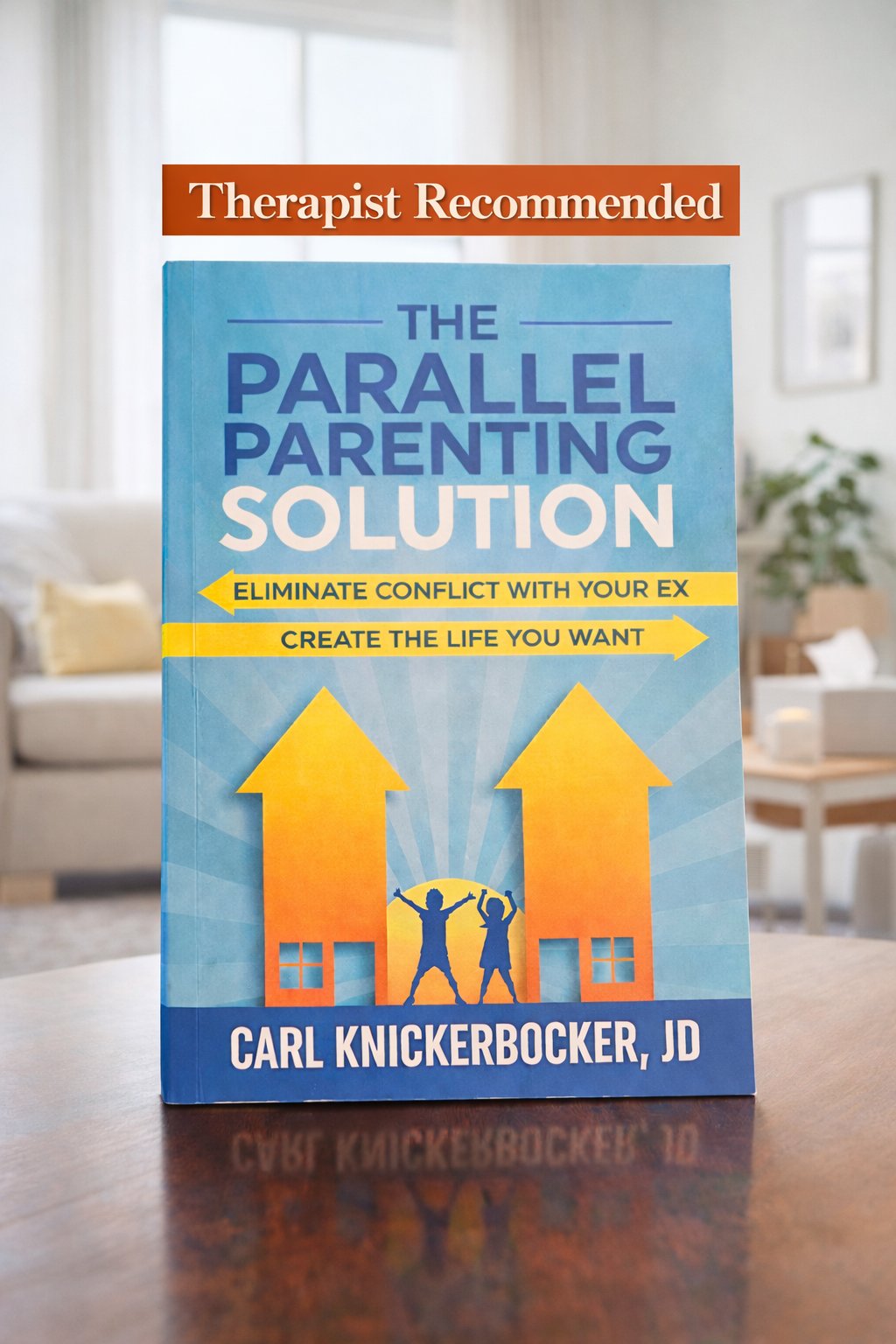
The book pulls together every framework, principle, and strategy on this site — plus the scripts, examples, and step-by-step guidance that articles can't fit. Designed for parents who don't have time to piece it together themselves.
Get the BookIf you're in an active case and need more than a book, Carl's law firm offers consulting and representation tailored to high-conflict situations.
Visit Carl Knickerbocker Law →